In a world where structured education often overshadows creativity, play-based learning shines as a beacon of innovation. Contrary to popular belief, learning isn't confined to textbooks and classrooms. In fact, play is a critical component in fostering a child's overall development. This approach not only nurtures imagination but also equips children with essential life skills. In this section, we will delve into the intricacies of play-based learning, exploring its significance and impact on a child's growth.
What is Play-Based Learning?
Play-based learning is a form of education where play is the primary means through which children explore and make sense of the world. Through unstructured play, children naturally develop cognitive and social skills. Picture a child building a tower with blocks; they're not just having fun but also learning about balance, gravity, and problem-solving.
Why is Play-Based Learning Important to a Child's Development?
The importance of play in development cannot be overstated. Studies show that play enhances creativity, language skills, and emotional resilience. For instance, role-playing games can improve vocabulary and empathy as children assume various characters and scenarios. This holistic development prepares them for both academic challenges and social interactions.
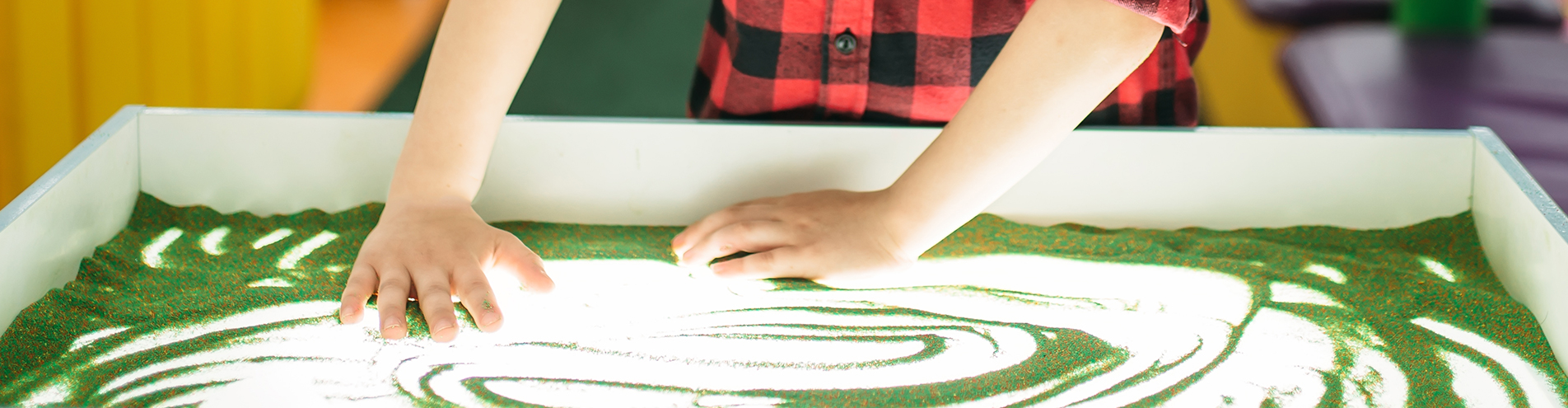
Practical Advice: Encourage a mixture of guided and free play. Guided play involves structured activities with educational objectives, while free play lets children explore their interests. For example, you could provide art supplies for a drawing session or encourage outdoor play to boost physical activity.
Conclusion: In summary, play-based learning is a powerful tool in equipping children with crucial developmental skills. By fostering an environment that values play, you're not only enhancing your child's innovative thinking but also preparing them for future success. Make it a priority to integrate diverse play activities into their routine, nurturing a well-rounded, capable individual.
